What is PMOS?
PMOS, or Polycystic Ovarian Syndrome, is a common health issue in women. It affects the ovaries, which are part of the female reproductive system. Women with PMOS may have irregular periods, extra hair growth, or trouble getting pregnant. Although PMOS is not life-threatening, it can impact daily life and fertility. According to the World Health Organization (WHO), PMOS is one of the leading causes of infertility in women.
Common Symptoms and Causes of PMOS
Many women with PMOS notice changes in their bodies. For example, some may see extra hair on the face or body. Others may have acne or gain weight easily. In addition, periods may become irregular or stop for months. The main causes of PMOS include:
Because these symptoms can vary, it is important to talk to a doctor for a proper diagnosis.
How Ayurveda Views and Approaches PMOS
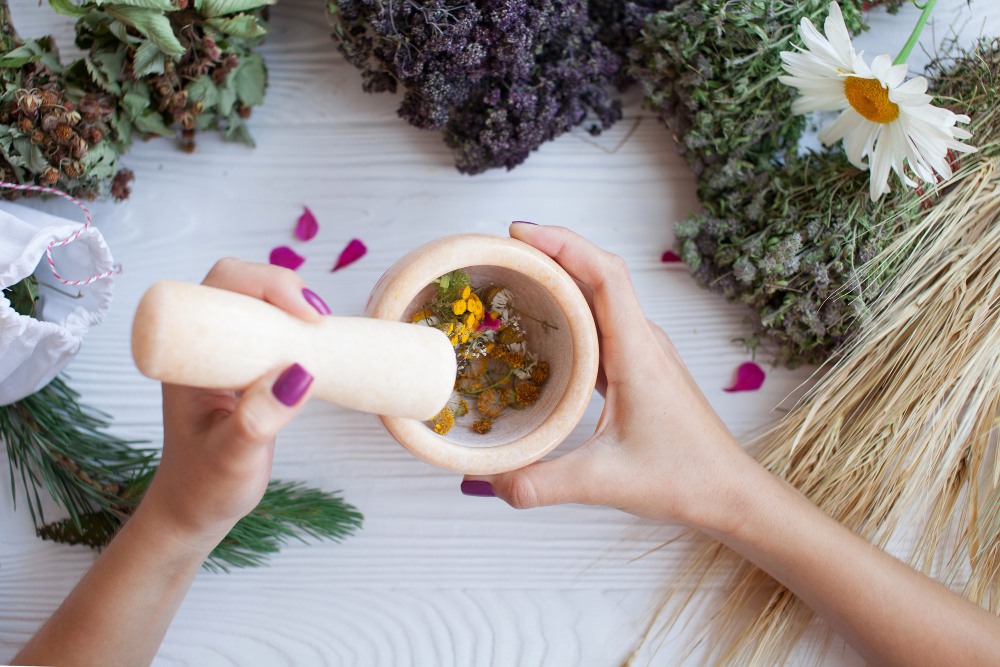
Ayurveda is an ancient Indian system of medicine. It looks at health as a balance between body, mind, and spirit. In Ayurveda, PMOS is often linked to an imbalance in the body’s energies, called doshas. Especially, an increase in Kapha and Vata doshas can lead to PMOS symptoms. Therefore, Ayurvedic fertility treatment for PMOS aims to restore this balance. Ayurveda uses natural remedies, herbs, and lifestyle changes to support women’s health.
Ayurvedic Fertility Treatments for PMOS
Ayurvedic remedies for PMOS focus on the root cause. They help improve fertility and overall health. Here are some common Ayurvedic treatments:
Because every woman is different, an Ayurvedic specialist may suggest a personalized plan.
Benefits and Limitations of Ayurvedic Treatments
Ayurvedic fertility treatment for PMOS offers many benefits. For instance, it uses natural ingredients and focuses on the whole body. Many women find these treatments gentle and safe. However, there are some limitations. Ayurveda may take longer to show results compared to modern medicine. Also, not all herbal remedies are suitable for everyone. Therefore, it is important to use Ayurvedic remedies for PMOS under expert guidance.
Prevention and Lifestyle Guidance for Reproductive Health
Good habits can help prevent PMOS and support reproductive health. Here are some tips:
In addition, regular health check-ups can help catch problems early.
When to Consult a Healthcare Professional
Although natural fertility solutions can help, some women may need extra care. If you have severe symptoms, trouble getting pregnant, or ongoing pain, see a doctor. Sometimes, a mix of Ayurveda and modern medicine works best. For safe and effective care, always consult a qualified Ayurvedic specialist Neha Chetal for personalized fertility guidance.